Tuesday, 18 December 2012

The Stirring Story of the Plum Pudding


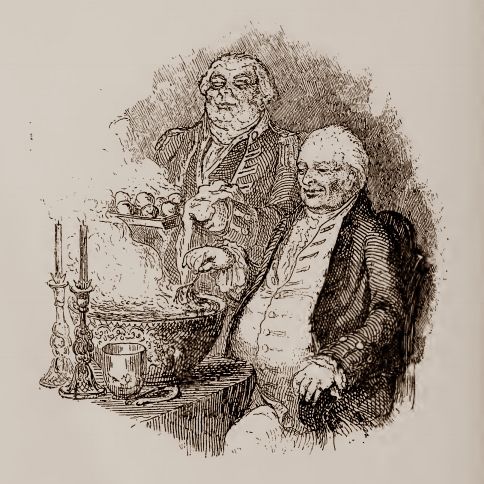
In half a minute Mrs. Cratchit entered: flushed, but smiling proudly: with the pudding, like a speckled cannon-ball, so hard and firm, blazing in half of half-a-quartern of ignited brandy, and bedight with Christmas holly stuck into the top.
Charles Dickens A Christmas Carol 1843


                   It’s how we imagine the Great British Christmas Pudding must always have been – ‘a speckled cannon-ball’, a great, round, deep-brown duff, full of fruit and flamed with blue-burning brandy. 

Bringing In the Pudding

And yet, it wasn’t always so. Before Christmas Pudding there was Plum Porridge, and before that was Plum Pottage. This was made from boiled beef or mutton, thickened with grated breadcrumbs, and when half-boiled, raisins currants, prunes, mace, cloves, and ginger were added. Plum pottage was served at the beginning of the meal and was in a long tradition of cooking meat with fruit (it sounds odd, but it’s worth trying – put dried apricots in lamb stew for a real treat, or add raisins to suet dumplings served with beef stew. Delicious.). 
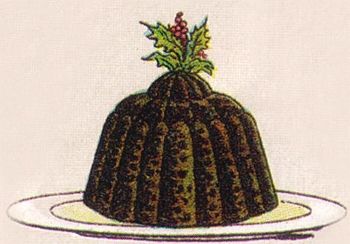
Plum Pudding - from Mrs Beeton

Joseph Addison writes of plum-pudding and plum-porridge in The Tatler of November 25th 1710,  
“No man of the most rigid virtue gives offence by any excesses in plum-pudding or plum-porridge, and that because they are the first parts of the dinner.” 
The Chevalier d’Arvieux made a voyage of an English forty-gun ship in 1658 and was served a plum pudding made from biscuit crumb, suet, currants, salt and pepper, wrapped in a cloth and boiled in a pot of broth. He described it as ‘detestable’. Plum broth is mentioned in Poor Robin’s Almanac of 1750, and a recipe appears in Mrs Frazer’s Cookery Book of 1791. 
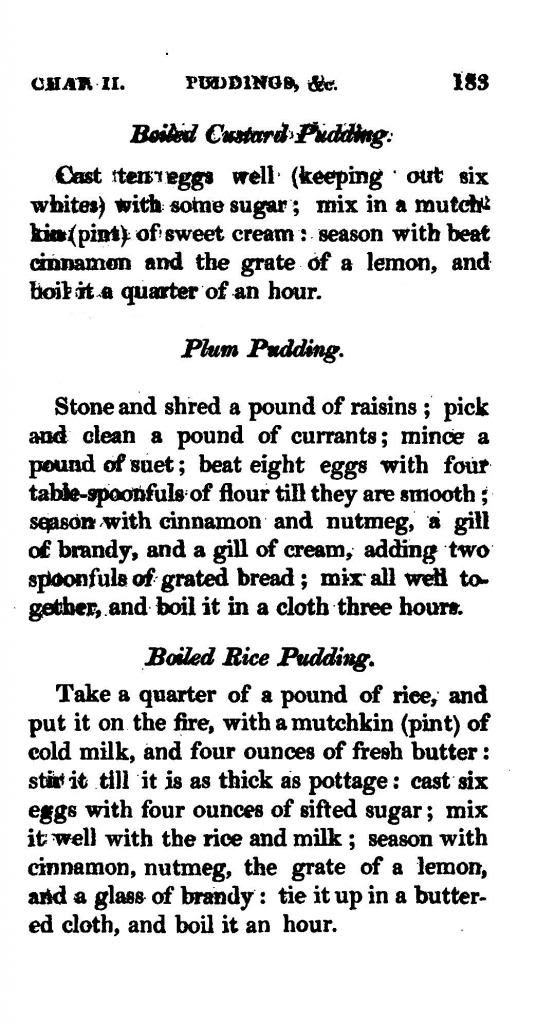
Plum Pudding - Mr's Frazer's Cookery book 1791 (ed. 1820)

Lord Byron mentions plum-pudding in a letter dated 1821, and there is a story that he intended to serve his dinner guests a plum pudding at his birthday feast in Italy. He gave his cook precise instructions but when the pudding was brought to the table, in spite of all the pains he had taken, a misunderstanding meant that it was the consistency of a thick soup and was served in a tureen. Plum pudding and mince pies came under attack from the Puritans and, later, the Quakers, who viewed its consumption as gluttonous and a Popish excess, and eating pudding was seen not only a religious but also a display of political loyalty. 
“All plums the prophet’s sons deny, 
And spice-broths are too hot; 
Treason’s in a December pie, 
And death within the pot.” 
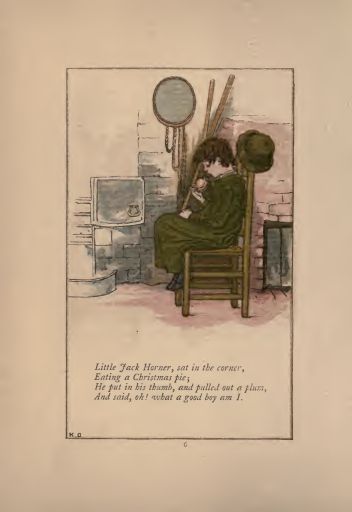
During the eighteenth century, plum broth became plum pudding, with the meat left out (although beef suet was an ingredient of the pudding), and was thickened with eggs, slowly transforming from starter to pudding, sweet and served with a sauce, maybe brandy butter or cream. It was usual to use proper plums in the pudding, fresh and whole or dried as prunes, which is remembered in the nursery rhyme Little Jack Horner
“Little Jack Horner, 
Sat in the corner, 
Eating his Christmas pie; 
He put in his thumb, 
And pulled out a plum, 
And said, “What a good boy am I.” 

Little Jack Horner

There is a little confusion as large raisins were also called ‘plums’, and raisins have replaced actual plums in modern pudding – the same is true of Figgy Pudding, as ‘figs’ is also an alternative name for raisins, (I have no truck with the idea that the word ‘plump’ has become ‘plum’, as plump fruits are used in the pudding). There are lots of traditions surrounding making the pudding. One says that the pudding should be made using eggs laid on Good Friday, which, if kept carefully, will miraculously remain fresh. When the pudding is made varies from district to district; some even make the pudding on Christmas Eve for the following Christmas meal, but it is more usual to make it about five or six weeks before Christmas. Stir Up Sunday was a popular choice and gets its name from the Collect read at the service on the last Sunday before the start of Advent, which commences, “Stir up, we beseech thee, O Lord”, and was taken as sign that the pudding should also be stirred up on that day. 
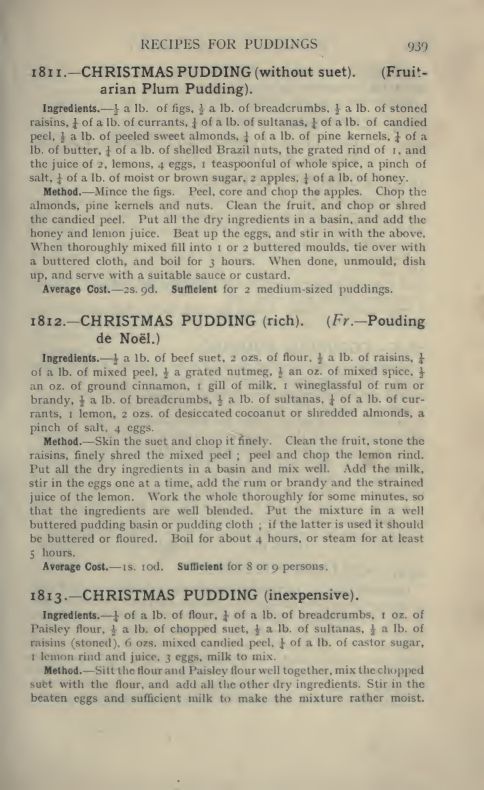
Mrs Beeton - Book of Household Management

Every member of the household had to take a turn stirring the pudding mixture, and anyone was absent, the mix was put aside until they returned. Mothers began the stirring, followed by fathers, then the children in order of age, followed by any servants who lived in the house. The pudding had to be stirred clockwise, from east to west, following the sun and echoing the coming of the Magi, and a silent wish had to be made by each individual who stirred it. 
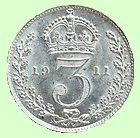
Silver Threepenny B

It was usual to add things to the mixture, a silver three-penny bit or a silver sixpence were most common, but some also added a ring, a button and a thimble; the person who received the ring in their portion would be married before the year was out (somewhat of a short period!), the button finder would die and old bachelor, the recipient of the thimble would die an old maid and the finder of the sixpence would have good luck for the nest year. 
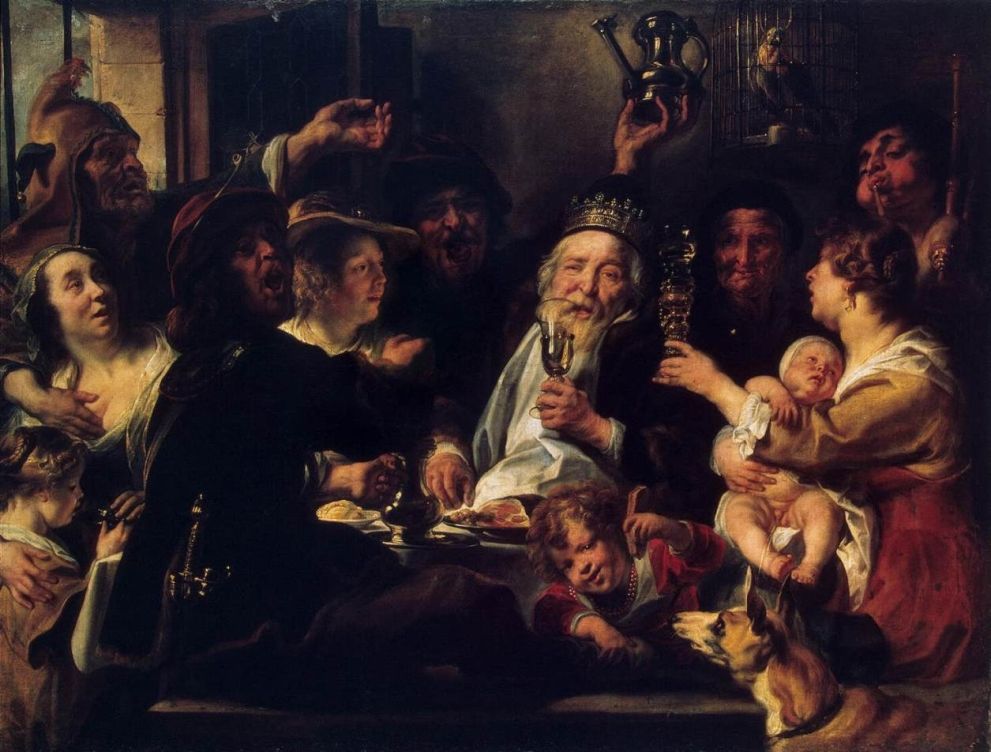
The Bean King Drinks

This practice follows the custom of the Bean King, a much older tradition that was originally performed on Twelfth Night, the end of the Christmas celebrations, also called the Feast of the Epiphany, January 6th. To mark the feast, a much older practice than Christmas itself, a special cake was baked into which a dried bean or some other token was added. Whoever received the portion of cake containing the bean became the King of the Bean, and presided over that night’s revels. They would give out humorous commands to their ‘subjects’ who would follow every cue of the King, so if he coughed, for example, the cry of ‘The King coughs’ would go up and all present would then also cough. 
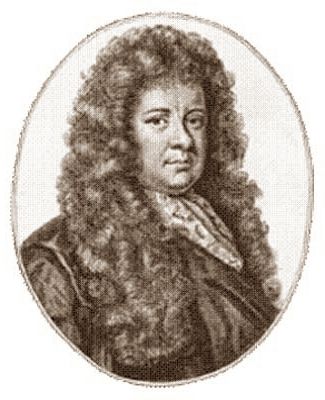
Samuel Pepys

In his Diary entry for January 6th 1669, Samuel Pepys records the new custom of putting the names of all present into a hat and lots were drawn for the various roles at the court of the King of the Bean (Pepys was made Queen at his party), ensuing that everyone could participate. 
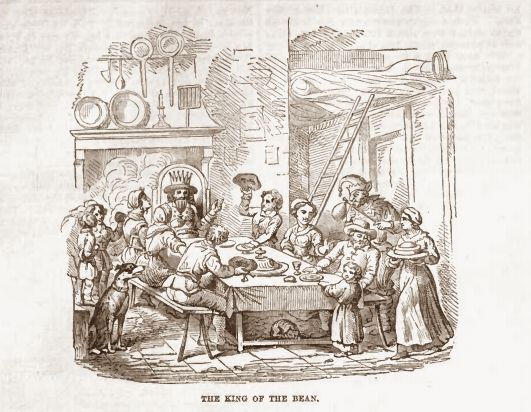
The King of the Bean

As Twelfth Night celebrations fell from favour and were replaced by Christmas, the practice transferred over to the Christmas pudding, although the tradition of naming a King was lost in England (it continues in Germany). The French have a saying, “Il a trouvé la fève au gateau,” meaning, “He has found a bean in the cake,” which means, “He has got some good luck”.

Monday, 17 December 2012

The Premium Presents of the Munificent Magi


                Gold, of course. There was bound to be gold. There was always going to be gold? If you were bringing gifts, you’d bring gold. In Biblical times, gold was so scarce that only kings could afford it. Gold is almost indestructible, it is often found in its pure form and it represents both financial and spiritual wealth. So the Magi were bound to bring gold to the Christ Child, who was thought to be the king of heaven and earth. It symbolised his majesty and kingship, his purity and incorruptibility. 

Gold

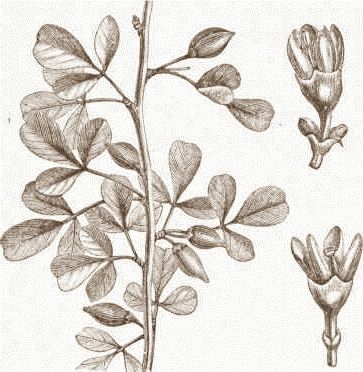
They also brought frankincense. Frankincense is a resin that comes from the Boswellia species of shrub, an extraordinarily hardy bush that grows mainly in Yemen. From ancient times, frankincense has been used in the best incense, its name comes from franc encens – meaning ‘finest incense’ – and is obtained by striping the bark of the shrub with a blade and collecting the ‘tears’ of gummy resin that exude from the cuts and dries in contact with the air. Even within the same species of Boswellia, the quality of the resin varies from individual shrubs, depending on the circumstances in which it grows, but it is all very valuable. The Egyptians, Greeks, Romans and the Jews used frankincense in their religious ceremonies, and the smoke from burning the resin symbolises the prayers of the faithful rising up to heaven. 

Frankincense

In addition, it was used in medicines as an aid to digestion and in the treatment of arthritis and it may be that burning the incense in the home helps in the treatment of depression. Frankincense symbolised Christ’s divinity. The Roman Catholic Church continues to use frankincense in its rites but the Protestants, and the Puritans in particular, regarded its use as just another Popish superstition to be suppressed and by the end of the eighteenth century, the use of incense in English churches was almost unknown. 

Frankincense

In Greek mythology, Apollo desired Leucothoë, the daughter of King Orchamus, and disguised himself as her mother to gain access to her chambers. Her sister, Clytia, had been Apollo’s lover and was jealous of her sister, so she told their father about the affair. Orchamus was enraged that Leucothoë had been defiled and ordered her to be burned alive; Apollo, unable to save her, poured nectar and ambrosia (the drink and food of the Gods) over her grave and she was transformed into the frankincense shrub. Clytia, hoping to regain Apollo’s love, sat naked on the rocks and neither ate nor drank as she watched him ride his fiery chariot across the sky, and after nine days she turned into the heliotrope flower, which still follows the progress of the sun throughout the day. 

Myrrh

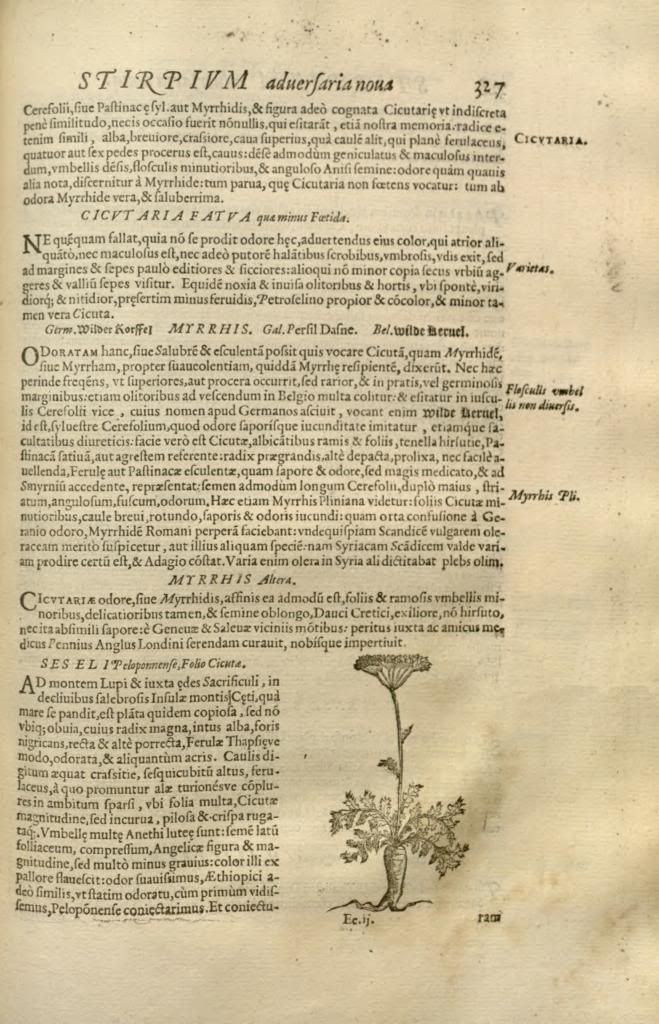
The third gift of the Magi was myrrh. Myrrh comes from the same areas of the world where frankincense grows and similarly it is a hardy shrub that is striped by the harvesters and the exuded oleoresin is collected when it has dried. It is a mixture of a gum-like resin and an essential oil, and is waxy in texture. Myrrh comes from an Aramaic word meaning ‘bitter’ and through Greek μύρον and the Hebrew mor, bringing a meaning of ‘perfume’. 

Matthais L'Obel - Myrrh - from Plantarum 1576

It is another plant used as a perfume, an incense and a medicine; it has long been used in liniments, salves and ointments for cuts, bruises and aches and pains, and can be chewed to sweeten the breath. In Greek legend, Myrrha falls in love with Cinyras, her own father, and the result of the incestuous union was the god Adonis. When Cinyras discovered that Myrrha had tricked him, he pursued her into Arabia, where the gods took pity on her and turned her into a myrrh tree, and in this form, she gave birth to Adonis. The tears of Myrrha are myrrh. This disturbing myth can be said to show that, in some circumstances, love can be a worse crime than hate, and has some parallels with the story of Lot and his daughters. 

Myrrh trees

Myrrh was another valuable incense in ancient religions and is still widely used in the Roman and Eastern Church services, and is also an ingredient of chrism, the holy oil used for anointing in the sacraments (particularly in Baptism and Extreme Unction). The Egyptians used myrrh when mummifying the dead, and it was used to anoint the body of the dead in other cultures – one Christian tradition was that Christ’s body was anointed in the sepulchre with the myrrh presented to him by the Magi. Myrrh was also put into the vinegar that was offered to Christ on a sponge as he was being crucified, in order to ease his pain. Myrrh symbolised the humanity of Christ, his inevitable death but also his attribute as healer of body and spirit. 

The Journey of the Magi

At some periods, it was worth more than its own weight in gold. From early mediaeval times until 1762, (when King George III was too unstable to perform the ceremony), it was the custom for the reigning monarch to present gifts of gold, frankincense and myrrh at the Royal Chapel on the feast of Epiphany (the custom continues by proxy).


Sunday, 16 December 2012

The Jubilant Journey of the Majestic Magi


                The story of the Three Kings comes from Chapter Two of Matthew’s gospel, but it is the subsequent legends that have grown around this strange trio that concern us today. In verse one, Matthew tells us that, 
“Now when Jesus was born in Bethlehem of Judaea in the days of Herod the king, behold, there came wise men from the east to Jerusalem.” 
Notice that. ‘There came wise men from the east.’ They are not kings and there are not three of them. These ‘wise men’ are the Magi, which comes from the Greek word µαγοι ‘magoi’, which is the plural of ‘magos’, which in turn comes from the Persian Magu, both terms refer to a class of scholar-priests from Medes (now in modern Iran). 

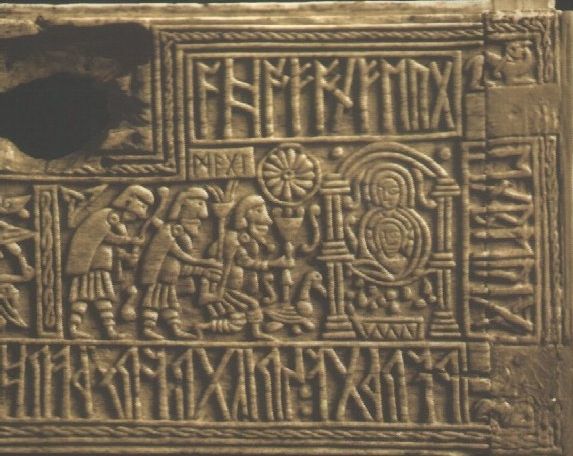
The Adoration of the Magi - from the Franks Casket c 800 CE

It is the root of our word ‘magic’ as these Magi were astronomers, astrologers, interpreters of dreams, philosophers and the keepers of ritual; they were occultists that knew and studied the works of the Ancient Greeks, of Plato, Aristotle, Socrates and Herodotus, and they used them in their own researches. They observed the skies, for signs and portents, and according to Matthew “the star, which they saw in the east, went before them,” which is a little odd, since if the star was in the east and the Magi were also in the east, then they would have followed it further to the east, in the opposite direction from Bethlehem, but that’s by the by. 

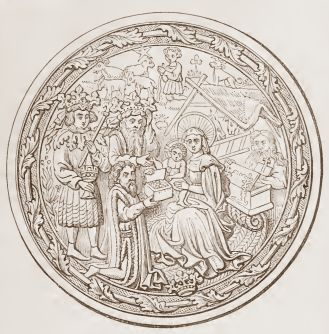
The Adoration of the Magi

They went first to Herod and then to Bethlehem, where they presented Mary and Jesus with ‘… gifts; gold, and frankincense, and myrrh.’ They were warned in a dream not to return to Herod and so went back to their own country by another way. That the gifts were gold, frankincense and myrrh has given rise to the legend that there were three men, each of whom bore a single gift, but again Matthew does not mention the real number of the Magi, (indeed, early Christian tradition held that there were twelve of them, foretokening the number of the twelve apostles). 

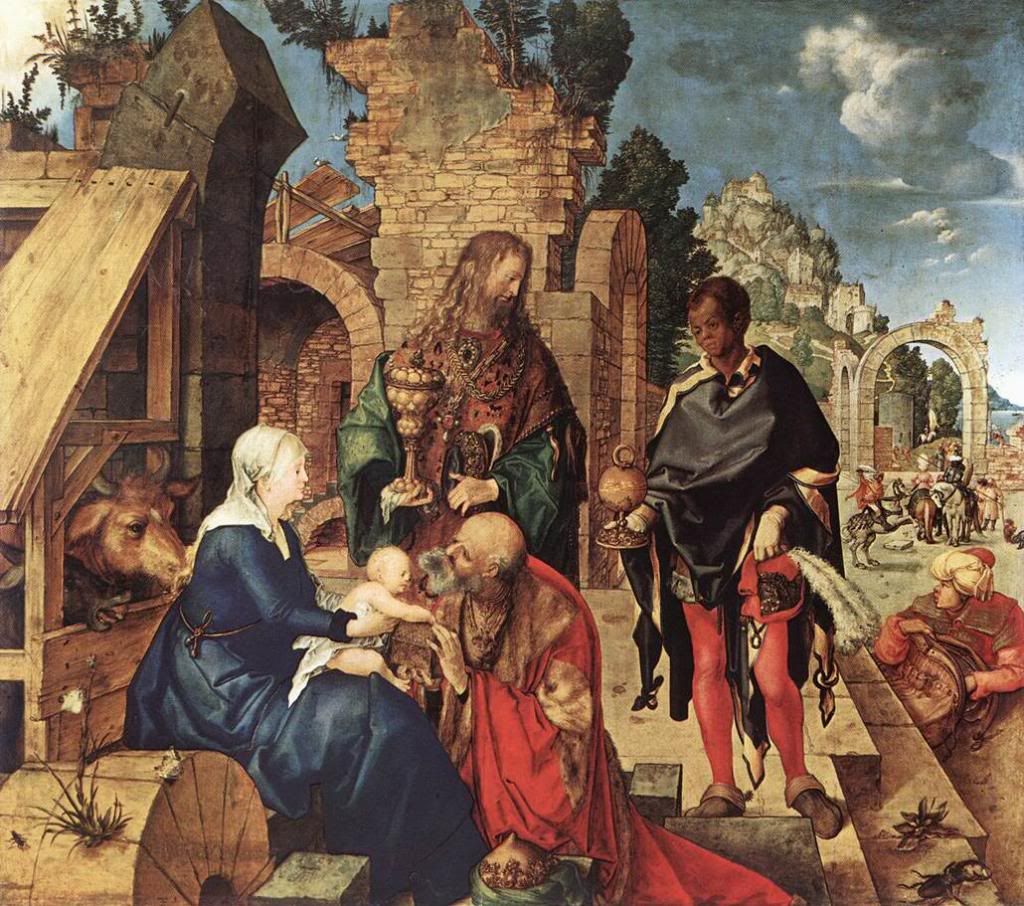
Albrecht Durer - The Adoration of the Magi

By the second century, Christians celebrated the visit of the Magi in the feast of the Epiphany (now January 6th), which means ‘appearance’ or ‘manifestation’, and the Epiphany predates the feast of Christmas by more than a century. Folk legends began to grow around the identity of the Three Wise Men; the eldest, Melchior, was a King of Arabia, white haired and white bearded, with a pale complexion and he brought the gift of Gold. Caspar came from Chaldea, was younger and had a ruddy skin, was beardless and brought frankincense. Balthasar was a black King of Ethiopia, tall and middle-aged, he bore myrrh (in some legends, the descriptions of Caspar and Balthasar are interchanged). 

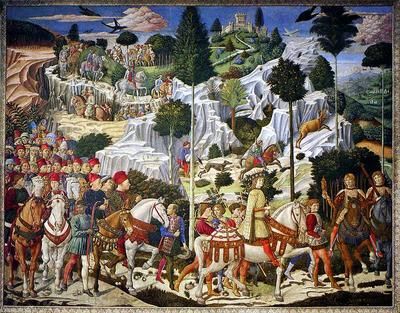
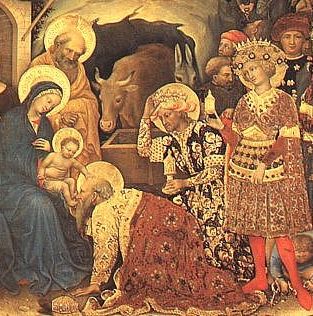
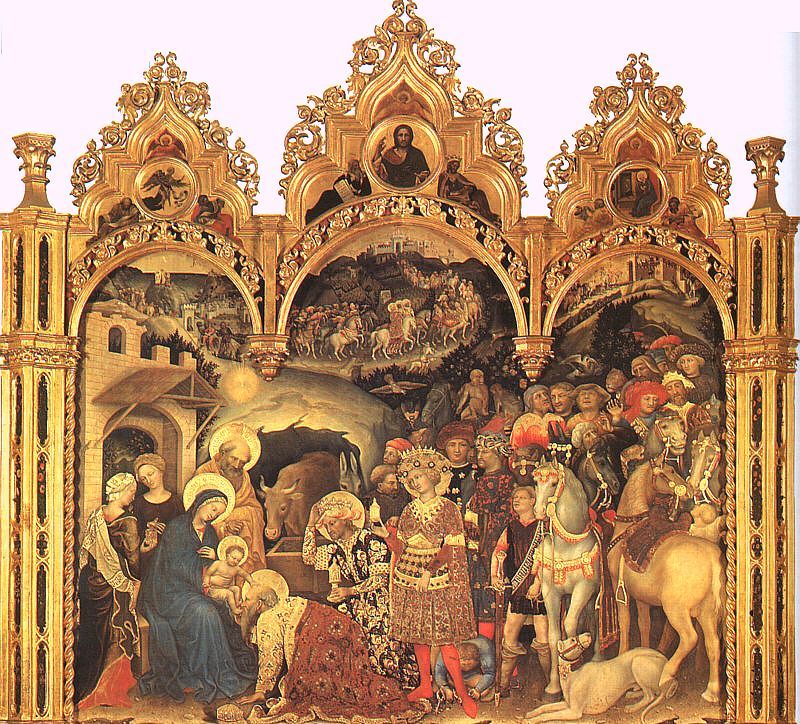
Gentile da Fabriano - The Adoration of the Magi [Detail]

In other traditions, their names are Apellius, Amerus and Damascus, another names them Megalath, Galgalath and Sarasin, whereas a fourth version calls them Ator, Sator and Peratorus. It was thought that, regardless of their names, they represented the three (then known) continents of Europe, Asia and Africa, and some thought that they were descendants of Balaam, a seer and Magi mentioned in the book of Numbers, who foretold a ‘star out of Jacob’ and who passed the watch for it down through his line. Bede, amongst others, speculated that the Three Wise Men were descended from Ham, Japheth and Shem, the three sons of Noah. 

Gentile da Fabriano - The Adoration of the Magi

The pomp of their coming, with horses, camels and mules, in rich array bearing great treasures and accompanied by servants, gave artists of the Middle Ages an opportunity to exhibit their skills in a portrayal of the scene. 

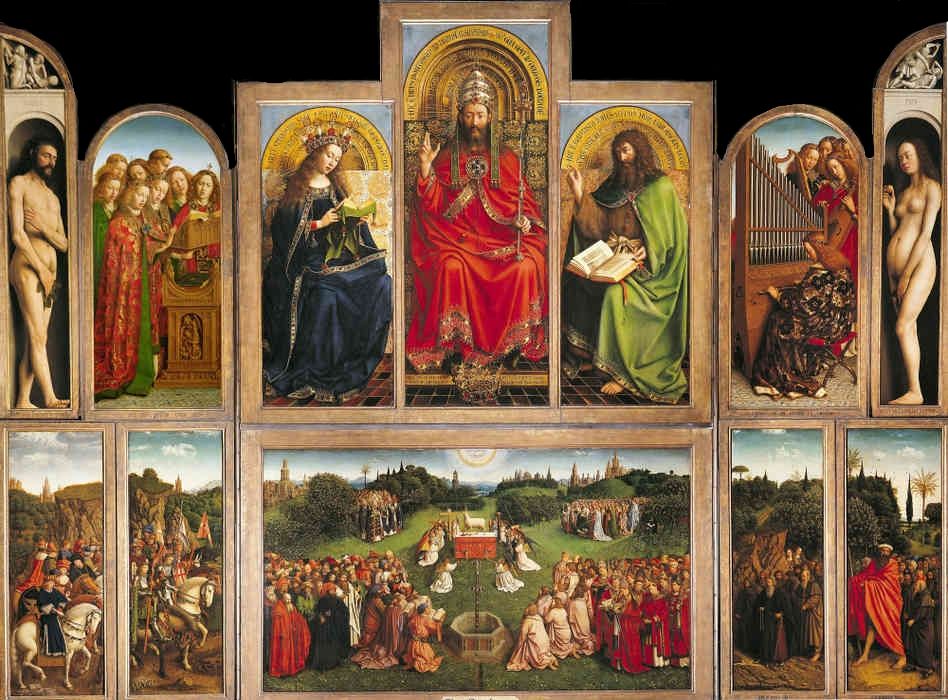
Van Eyck - The Ghent Altarpiece

In Northern Europe, where oil painting was developed, artists like Van Eyck, Durer and the German schools produced richly detailed depictions of the Three Kings in all their splendour. 

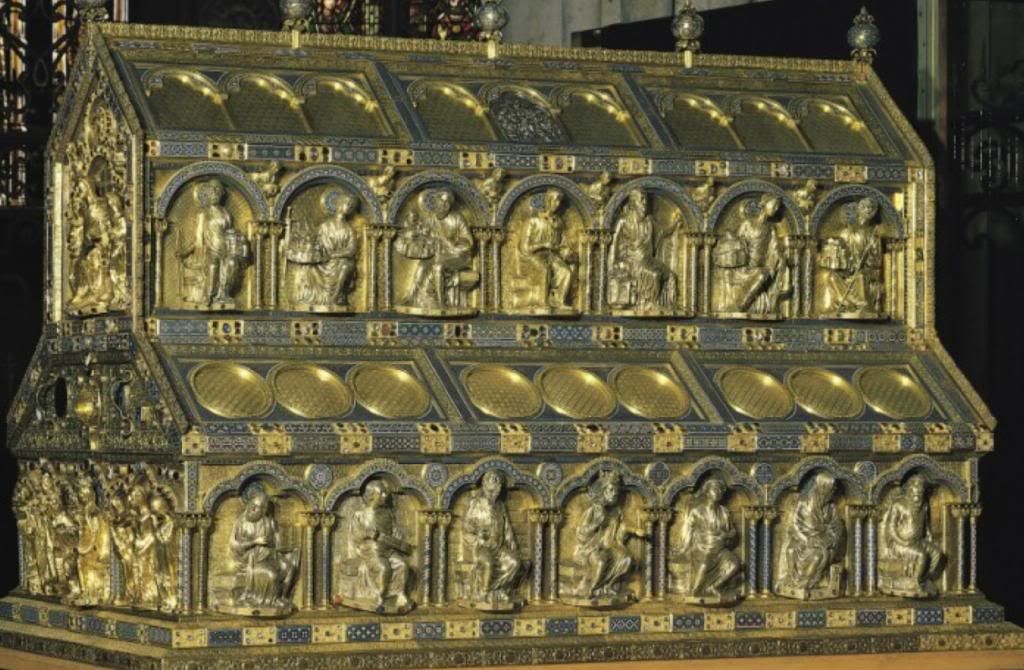
Reliquary of the Magi - Cologne Cathedral

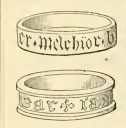
The Magi became associated with Cologne when Empress Helena, mother of Constantine the Great, had their bodies brought from the Far East to Constantinople, and in 1164, the Emperor Frederick Barbarossa gave them to Raynuldus, Archbishop of Cologne, who placed them in a magnificent shrine at Cologne Cathedral, where pilgrims from across Europe came to venerate these relics. A popular belief was that to touch them would protect travellers from injury whilst on the road, and these three saints had special powers of intercession and protection, against sorcery and sudden death; special rings were available from Cologne, inscribed with the names of the Magi and other charms and were thought to be especially efficacious against cramps and falling sickness. 

Magi Pilgrim Rings

The Adoration of the Magi became an integral part of the Christmas story and they feature widely in Nativity scenes, on Christmas cards and in Nativity plays and they appear in umpteen carols, most notably ‘We Three Kings of Orient Are’.
 

Saturday, 15 December 2012

The Festive Fable of the Christmas Carol


                  By the turn of the nineteenth century, many of the traditional English Christmas customs were in decline. Industrialization had severely affected Public Holidays, as mill and factory owners were opposed to granting their workers all the usual feast-day holidays. In 1761, the Bank of England closed for 47 days, which had dropped to 40 in 1825 and to 18 by 1830. The number of observed holidays fell dramatically to 4 in 1834 and the 1833 Factory Act restricted the legal right of British workers to a mere two days holiday other than Sundays – Christmas and Good Friday. Other changes in social and religious practices wore away at the observance of Christmas and many old, traditional customs had never really recovered from the depredations of the Puritans in the 1640s and 1650s. Many people were concerned by the losses – folklorists, historians, poets, musicologists and so forth, and efforts were made to preserve and perhaps even revive what was being lost, a spirit not restricted to Christmas. The Oxford Movement campaigned for reforms in the Church by promoting a return to ritual, decoration and observance of old feast days, for example. 

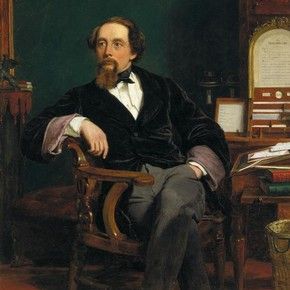
Charles Dickens

It is a moot point if Charles Dickens was working within this zeitgeist or if he was one of the originators of the sentiment, but he was certainly extremely influential in the promotion of traditional Christmas customs. In 1843, Dickens toured a Ragged School in London and was greatly affected by what he saw there and in September of the same year he travelled to Manchester on a fund-raising event for the Athenaeum, an organisation that was dedicated to the education of workers. He spoke about the links between poverty and ignorance, and the germ of an idea was born in his imagination. Dickens had experienced extreme poverty as a boy and was an active social reformer in his adult life and, coupled to floundering sales of his serialised novel Martin Chuzzlewit and needing money as his wife was pregnant, he worked throughout October and November to write new two episodes of Chuzzlewit and a new short story with a Christmas theme.  

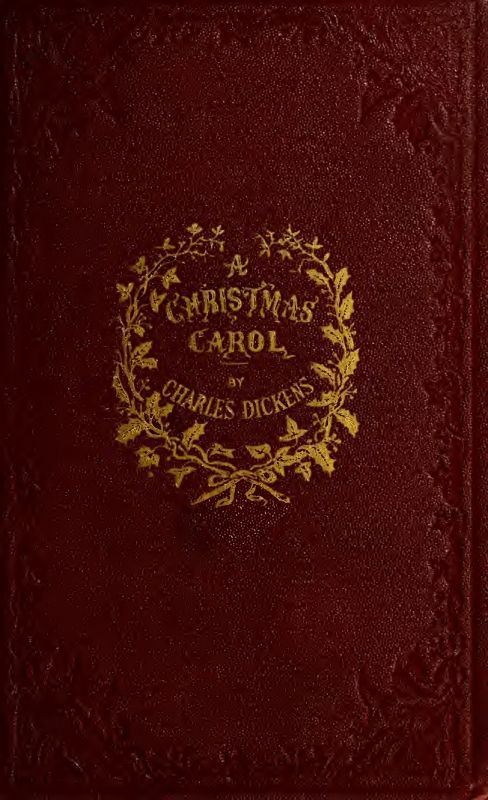
Charles Dickens - A Christmas Carol - 1843

A Christmas Carol appeared in late December 1843, and sold the entire first edition of six thousand copies in five days. It was an immediate critical success but it was not exactly the financial godsend that Dickens had hoped for. There was a vogue at the time for ‘coloured plate’ novels and Dickens followed the fashion, paying for the first edition himself, a foolscap octavo volume of 160 pages with four hand-coloured plates and four woodcuts by John Leech, tastefully bound in red cloth, with gilt edged pages; it sold for five shillings (the equivalent of about £20 today). 

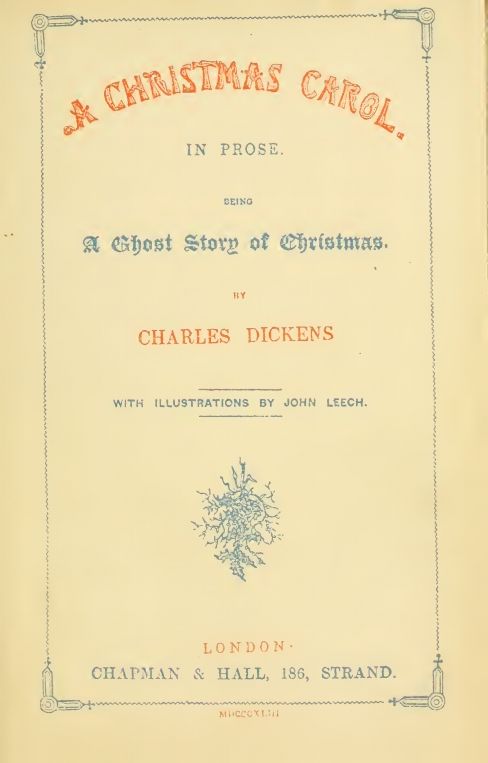
Charles Dickens - Title Page - A Christmas Carol - 1843

The cost of production and printing ate into the profits and Dickens only received £230 rather than the £1,000 he had been led to expect. The second and third editions also sold well, bringing Dickens’s earnings to £726, but it was his first and last experience with coloured plates. 

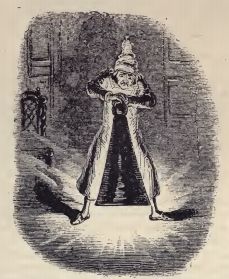
Scrooge snuffs out the first spirit

By March 1844, A Christmas Carol was in its sixth edition and Dickens began to receive appreciative correspondence from his readers, who told him that they liked to read the work at family gatherings. 

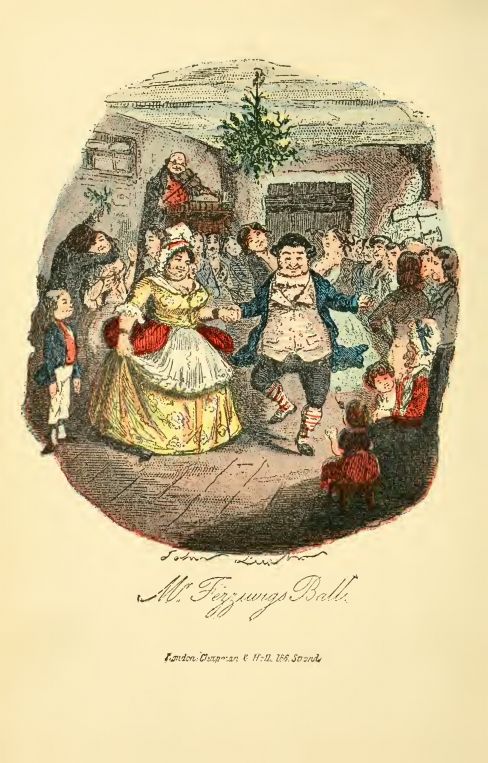
Mr Fezziwig's Ball

In December 1853, he read the novel aloud in public at a charity benefit for the Midland Institute in Birmingham Town Hall and was afterwards asked by many other charities to repeat the reading. He complied with the requests but also began public readings for which he charged an admission fee. He adapted A Christmas Carol into an abridged form, which he virtually memorised although he kept a copy with him on stage, and which lasted about two hours, and he later included sections from his other works, and these readings were a welcome second source of income. 

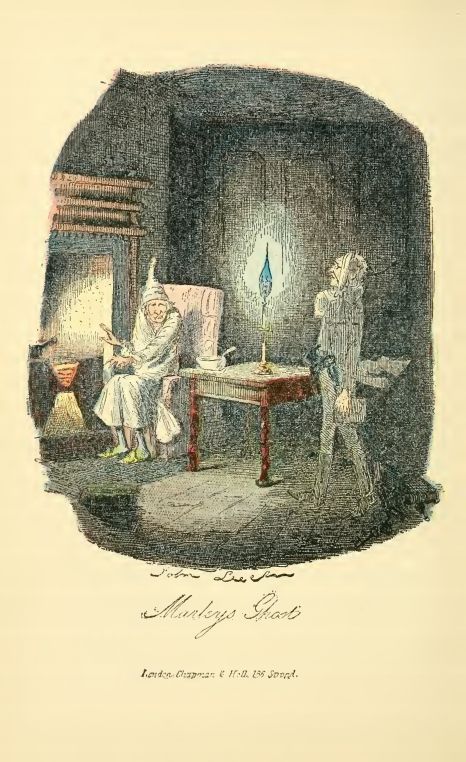
Marley's Ghost

He toured America with a well-received series of public readings and continued with the shows until March 15th 1870, when he announced that that night’s reading of A Christmas Carol would be his last – he died three months later. 

The Spirits of the Air

The plot of the novel is familiar enough, with the characters of Ebenezer Scrooge, Marley’s ghost, Mr Fezziwig, Bob Cratchit and Tiny Tim remaining alive in the public imagination, but although many readers today see the story as a moral tale, Dickens was reviving, and contributing to, an English tradition of Christmas ghost stories – the full title is A Christmas Carol in Prose, Being a Ghost Story of Christmas, and Dickens encouraged his readers to approach his book as a ghost story, urging them to read it in a cold room lit only by a single candle. How can you not feel a shiver from that magnificent opening line, “Marley was dead: to begin with.” 

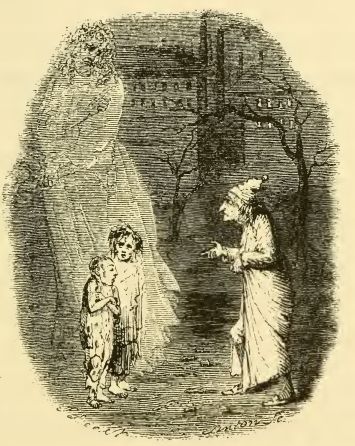
Ignorance and Want

That is not to say that it is not a moral tale – it most assuredly is just that. The ghostly children that lurk beneath the cloak of the Ghost of Christmas Present are named Ignorance and Want, in a return to Dickens’s theme of his speech for the Athenaeum in Manchester. The transformation of Scrooge from selfish miser into charitable philanthropist stands for the possibility of a transformation of society, where the haves support the have-nots and employers take an active interest in the well being of their employees and their families. 

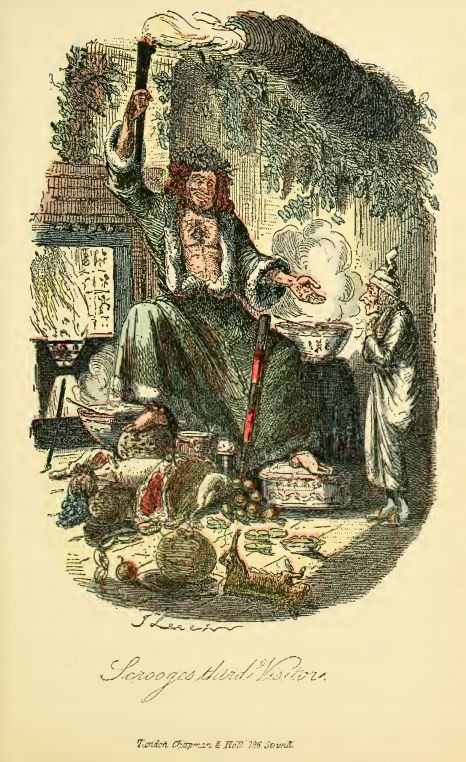
Scrooge's Third Visitor

It is in the tradition of Christian charity, although Dickens himself was not a particularly religious man and felt that the organised religions of his day were out of touch and not fulfilling their charitable duties to their fullest extent (fancy that!). He was criticised in some quarters for not including a more religious element into the story, Jesus and his birth are not mentioned at all, but the story is about human charity and the redemption of individuals. 

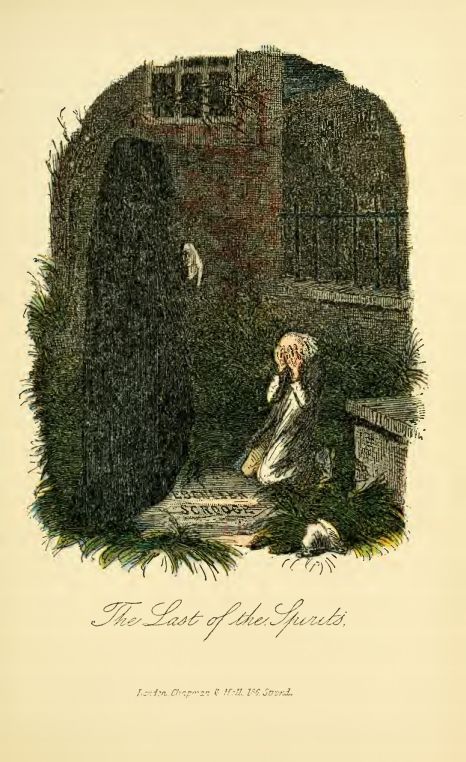
The Last of the Spirits

Charles Dickens tried to repeat the success of the 1843 novel in subsequent years, publishing The Chimes in 1844, The Cricket on the Hearth in 1845, The Battle of Life in 1846 and The Haunted Man and the Ghost’s Bargain in 1848, but none were as popular as the original and Dickens himself had doubts about their merit. 

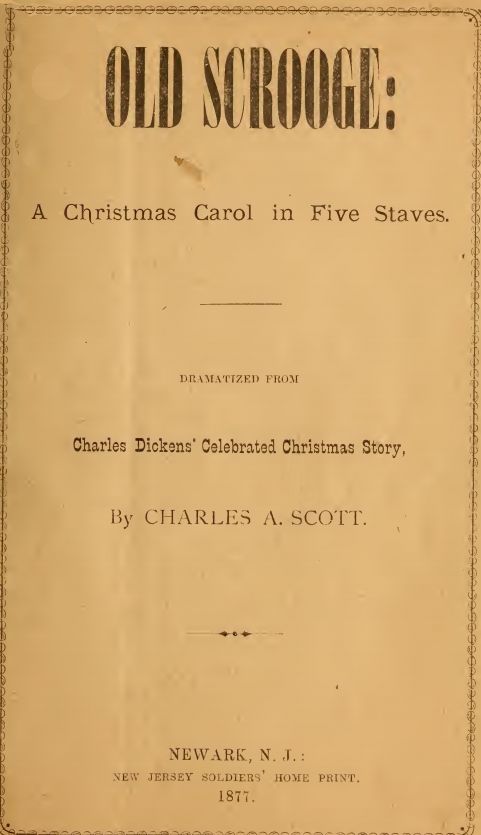
Old Scrooge - a play inspired by A Christmas Carol

The story has, of course, inspired numerous adaptations, plays, readings, films and television versions since but none really catch the spirit of the original (although the 1951 film Scrooge, with Alastair Sim in the title role, is perhaps the best film version of any of Dickens’s books and is a classic in its own right), and the best advice I can offer is that you go out and buy two copies of A Christmas Carol. Keep one copy and read it yourself every December and give the other copy to someone you love. And, as Tiny Tim says, ‘God Bless Us, Every One’.


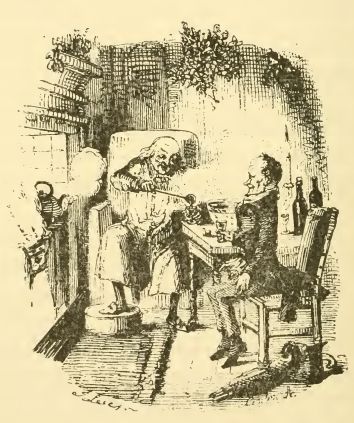
A Reformed Scrooge and Bob Cratchit

Friday, 14 December 2012

The Bygone Burning of the Yule's Yesterdays


                    Before there was Christmas, there was Yule. But when that was, exactly, we are not quite sure as the pagan peoples have left no written records. It seems likely that there were celebrations to mark the turning of the year and the lengthening of days following midwinter, that there were rites to celebrate the ancestors and we can expect that animals would have been slaughtered in winter as feed became scarce, so there would almost surely have been some sorts of feasting. 

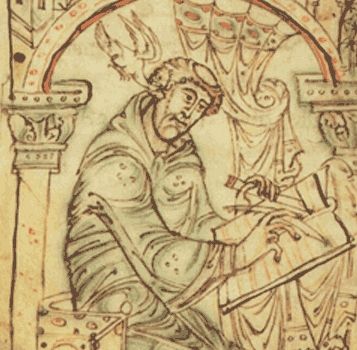
The Venerable Bede

The Venerable Bede records in his De Temporum Rationis (c. 726) that in his day the Angles used the word ‘Guili’ for both December and January, adding, 
The months Giuli get their names from the turning round of the sun towards the increasing of the day, because one of them precedes and the other follows it.” 
He also notes that the Angles celebrated on the eighth day before the Calends of January, which would be December 25th, and they called this feast Modranicht, or ‘Mother’s Night’, although he is unsure if this is the origin of Guili. There is etymological evidence that ties the word to Old English ġéol or ġéohol, which can be linked jól and thus huil meaning ‘wheel’ and have connotations of turning, (although some scholars dispute this). Jól (q.v. modern Danish, Swedish and Norwegian Jul  - ‘Christmas’) became Yule over the years and came to be associated with the days of celebrations over the Christmas period – there was aerrageol  and there was afterrageol which translate as Early Yule and Later Yule, and some link Yule to Nowel (as it appears in Chaucer – ‘Nowel crieth every lusty man’) and thus Noël

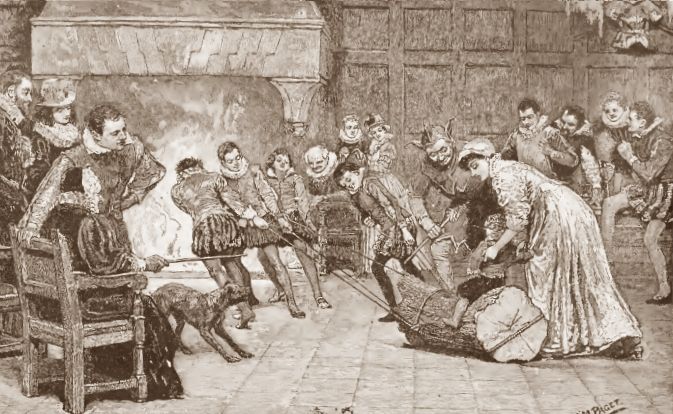
Bringing In the Yule Log

By the early Middle Ages, Yule was established in the English language; in 1183, at Durham, tenants attended the Bishop over the festive period and this is recorded as Yolwayting (Yule Waiting), a practice also recorded in the Domesday of St Paul’s (1222). The twelve days after Christmas were a period of unbridled licence and protection for the Lord and his property was a sensible precaution – a register at York reports that a declaration called the Yoole-girthol was read at the pillory by the sheriffs after the Mass of St Thomas (December 21st), 
“… that all manner of whores, thieves, dice-players, and all other unthrifty folk be  wellcome to the towne, whether they come late or early, at the reverence of the high feaste of Yoole, till the twelve days be passed.” 
This Youle-girthe is the Icelandic Jóla-grið – the Yule-Peace or sanctity, echoing the strong links between York and the Viking settlers in the North of England. By 1475, the word Yuletide was being used in English and, as was common practice, existing feasts and festivals were taken over and continued under another name by Christian missionaries. 

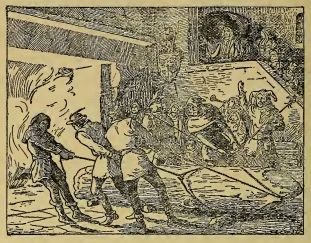
Bringing the Yule Log In

The old tradition of winter bonfires, in memory of the dead, was subsumed in the Yule Log, a great log (also called a clog or a block) was burned in the hearth over the twelve days of Yule. In some areas, the Yule Log was chosen at Candlemas (February 2nd) and prepared throughout the year. The Yule Log was larger than the usual wooden branches burned in the household; it was often brought as a type of ‘tax’ to the Lord of the Manor. The English preferred oak or ash, the Scots used birch, in Provence fruitwood is favoured and the Serbs use green oak, olive or beech. 

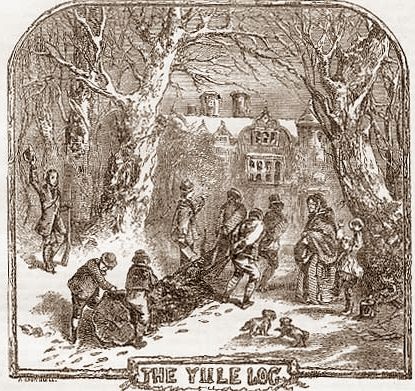
The Yule Log Dragged Home

The log is dragged to the house with singing and is sprinkled with beer or wine, sometimes a human figure is drawn on it in chalk, barefoot or squinting people should not be allowed into the house whilst the log is being lit, and maidens are not permitted to touch the log unless they have washed their hands first. 

Lighting the Yule Log

A piece of the previous year’s Yule Log is kept back and is used to light the new log, either on Christmas Eve or Christmas morning, which should then be kept burning throughout the twelve days of Christmas. Bad luck will follow if the log is allowed to go out. A charred chunk of the Yule Log was kept in the house throughout the year, to bring luck and ward off fires and lightning. The ashes were spread on the fields to ensure fertility, were believed to help hens lay and cattle bear calves, and were used in folk medicine to cure toothache and chilblains. 

Modern Yule Log

As the great, communal hearths of the old houses gave way to smaller, more decorative fireplaces during the Victorian times, Yule Logs fell from favour and are seldom seen today, although they are remembered in the small, chocolate, Swiss-roll style cakes that are sold at this time of the year (in France, they are called bûche de Noël).

Thursday, 13 December 2012

The Welcome Wassail of the Brimming Bowl


                      One ancient Christmas custom is the wassail, which refers to the toast, the practice and the drink. The toast comes from the Middle English wæs hæl meaning ‘be healthy’ or, as we still say, ‘good health’ and the response was drinc hæl – ‘drink healthy’. The word hæl remains in modern English as ‘hale’ meaning ‘well’, as in ‘hale and hearty’. 

The Wassail Bowl

A communal drinking bowl, the wassail bowl, would be held by one person who would toast his neighbour ‘wæs hæl’ and when the response ‘drinc hæl’ came, the bowl would be passed with a kiss, drunk from and the toast repeated to the next in the company. The bowl would be filled with Lambs Wool, a drink made from sweetened ale or cider spiced with nutmeg, cinnamon and ginger, into which roasted apples were added, (In A Midsummer Night’s Dream, Puck says, “And sometimes lurk I in a gossip's bowl, In very likeness of a roasted crab.”) 

Wassailing the Orchard

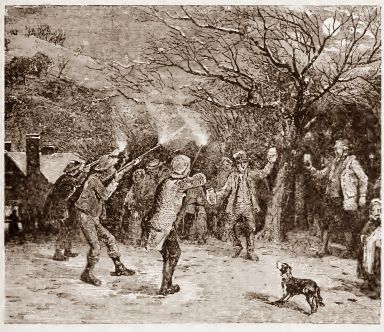
In southern counties, mulled cider was used, and the wassailers would visit the cider apple and other fruit tree orchards and sing the trees awake, and scare off the evil spirits, ensuring a good harvest in the following year. The details of the ceremony differed from village to village and from county to county, but the central elements of the procession, the singing, the wassail drinking and decking the trees with slices of toast soaked in the bowl (to attract Robins), were common to most. Another practice was ‘rough music’ which, as the name suggests, was a raucous performance on drums, trumpets and other instruments, with kettles and pans being rattled and banged, accompanied by whistles and roars, all meant to scare away unwanted influences and spirits. 

Wassailing in the Town

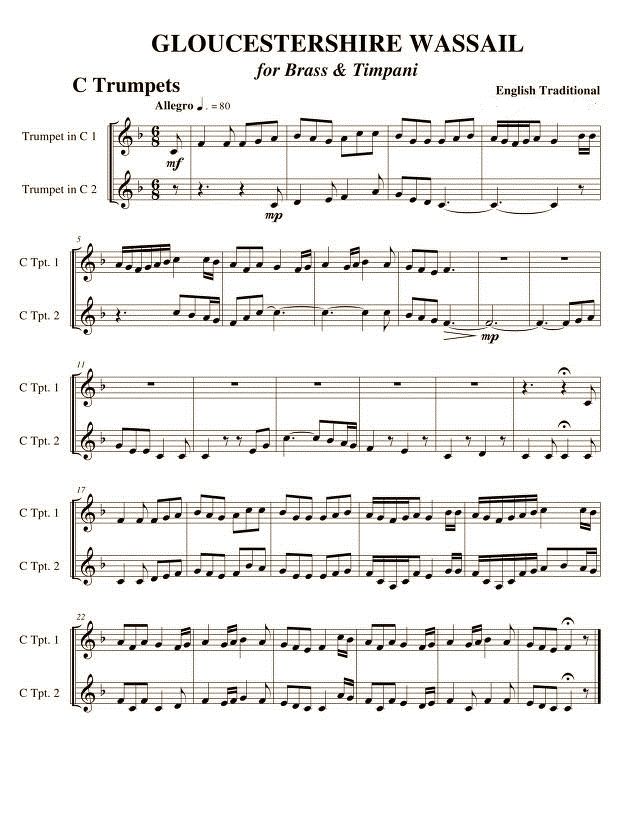
In other areas, the wassailers would go from house to house, singing and collecting alms, and either offering people a drink from the bowl or taking an empty bowl, expecting it to be filled. There were a great many old wassailing songs, sung to ancient tunes, with some very poetic and others mere doggerel but all dating far back in time. Perhaps the most famous is the Gloucestershire Wassail
Wassail, wassail, all over the town, 
Our toast it is white, our ale it is brown; 
Our bowl it is made of the mapling [or rosemary] tree, 
With the wassailing bowl we will drink unto thee.” 

The Gloucestershire Wassail
Another famous wassail, often sung by children, is;
Here we come a wassailing, 
Among the leaves so green, 
Here we come a wandering, 
So fair to be seen.” 
The poet Robert Herrick wrote a short verse, Christmas Eve an other ceremonie
Wassaile the Trees, that they may beare 
You many a  Plum, and many a Peare: 
For more or lesse fruits they will bring, 
As you doe give them Wassailing.” 
The wassail songs are a strange combination of the traditional drinking songs and more religious elements, brought together in an unusual and unexpected mix. 

Wassailing

Wassailing began on Christmas Eve and could continue to Twelfth Night, when the celebrations ended with more spiced ale and special spiced cakes, hence the expression ‘Cakes and Ale.’ If you fancy trying a wassail bowl of your own, this is a recipe from the 1870s: 
Heat in a saucepan a pint of Burton ale, with half a pound of sugar, a grated nutmeg, and half an ounce of grated ginger; after it has just boiled up, add a quart more ale, four glasses of golden sherry, and a couple of ounces of lump sugar that has been rubbed over the outside of a lemon. Add also a few thin slices of lemon. Make the whole mixture hot without boiling it, and add half a dozen roasted apples that have had the cores stamped out and cut, but that have not been peeled.” 
Wassailing fell from favour during the Victorian age and was replaced by the similar custom of carolling. It is said that the pub name The Pig and Whistle comes from a corruption of Peg and Wassail, in reference to the Peg tankards introduced in Saxon times.

Wednesday, 12 December 2012

The Austere Acts of the Puritanical Parliament


                      Following the Reformation in England, Protestants viewed anything that was even vaguely ‘Popish’ with extreme suspicion. One such suspicion concerned anything relating to the Catholic Mass, which included Christ’s Mass – Christmas. The Puritans preferred to refer to it as Christ-Tide instead but the whole festival was regarded as an accumulation of Romish superstitions. 

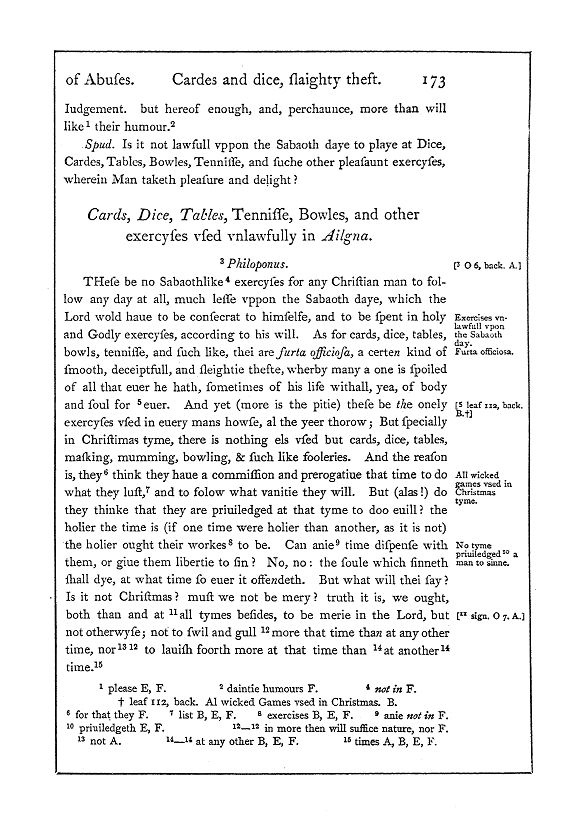
Phillip Stubbes - Anatomie of Abuses - 1583

As early as 1583, the pamphleteer Phillip Stubbes was railing against the festival in his Anatomie of Abuses. He writes, 
“…fpecially in Chriftimas tyme, there is nothing els ufed but cards, dice, tables, mafking, mumming, bowling, and such like fooleries … what mafking and mumming! wherby robberie, whordome, murther, and what no[t] is committed! What dicing and carding, what eating and drinking, what banqueting and feafting is then ufed more than in all the yeere befydes! to the great difhonor of God, and impoverifhing of the realme.” 

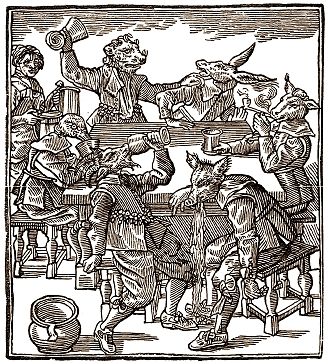
Self-indulgent and Wasteful Carousing
 
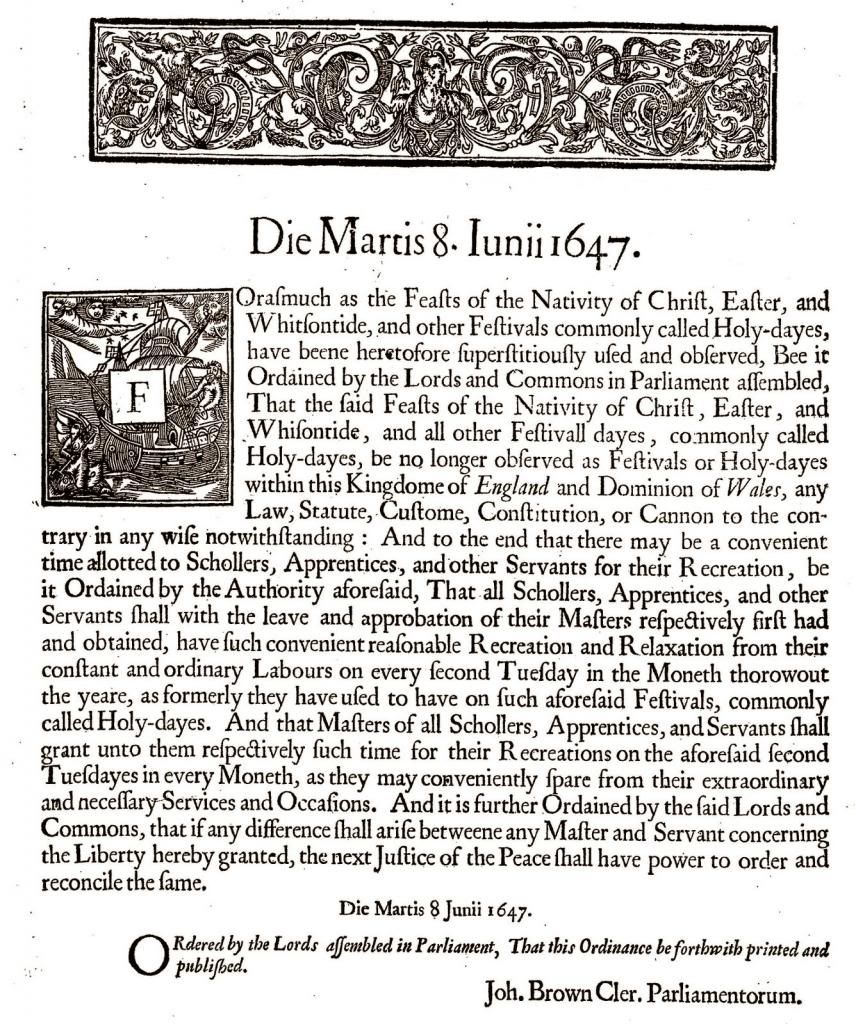
The merry-making was seen as wasteful and self-indulgent, and so obviously sinful, and a redundant remnant of the immoral practices of the Catholic faith. From 1642 on, Ordinances were passed banning the performance of plays and in June 1647, an Ordinance was passed in Parliament that banned the keeping of Holy Days and festivals, including Christmas, Easter and Whitsuntide, replacing them with a day of recreation on the second Tuesday of each month.
 “Forasmuch as the Feasts of The Nativity of Christ, Easter, Whitsuntide, and other Festivals, commonly called Holy-days, have been heretofore superstitiously used and observed: Be it Ordained, by the Lords and Commons in Parliament assembled, That the said Feasts of The Nativity of Christ, Easter, and Whitsuntide, and all other Festival-days commonly called Holy-days, be no longer observed as Festivals or Holidays, within this Kingdom of England and Dominion of Wales.” 

Parliament bans Christmas

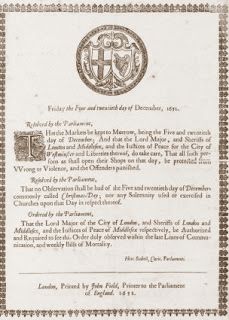
The idea was that Sundays, the Lord’s Sabbath, were to be observed instead and that churches were to close whilst markets were to be held and shops to be opened on the former feast days instead. However, it didn’t quite work out as planned. The shops that did open were attacked and their wares scattered into the streets. There were riots in Ipswich, Oxford and Canterbury, where the mayor was pummelled and his windows broken, and thousands of men declared that if their Christmas was taken away, they would return the King to the throne. But Parliament persisted and when it was felt that the celebration of Christmas was making a surreptitious return, on December 24th 1652, it was resolved 
“… that the Markets be kept To-morrow, being the 25th Day of December: And that the Lord Mayor, and Sheriffs of London and Middlesex, and the Justices of Peace for the City of Westminster, and Liberties thereof, do take care, that all such Persons as shall open their Shops on that Day, be protected from Wrong or Violence, and the Offenders punished … That no Observation shall be had on the 25th Day of December, commonly called Christmas Day, nor any Solemnity used or exercised in Churches, upon that Day, in respect thereof.” 

Christmas Banned Again

Soldiers broke into churches on Christmas Days and arrested people at musket-point; John Evelyn, the diarist, reports his own arrest for attending a church service in 1657. 

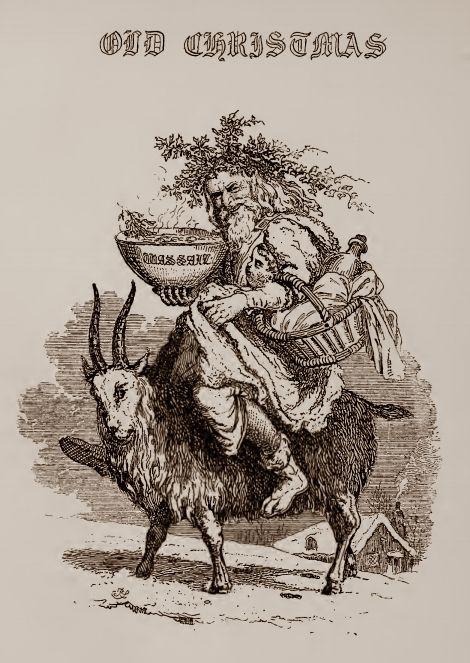
Old Christmas

The traditional Christmas foods were also banned, with plum pudding and mincemeat being especially targeted. Mince pies, it was rumoured, were supposed to be representations of the Christ Child in his manger and thus irredeemably Popish. The ‘Water Poet’, John Taylor, complained 
“ … to roast a sirloin of beef, to touch a collar of brawn, to take a pie, to put a plum in the pottage pot, to burn a great candle, or to lay one block the more in the lire for your sake, Master Christmas, is enough to make a man to be suspected and taken for a Christian, for which he shall be apprehended for committing high Parliament Treason and mighty malignancy.” 
This didn’t stop some confusion – in 1652, a Puritan preacher, Hugh Peters, was accused by church authorities of preaching against the celebration of Christmas from his pulpit and then going home and having two mince pies for his supper. The Puritans, it has to be admitted, had the best of motives – they were seeking to ‘purify’ the abuses of the Christian faith by eradicating superstitious practices but I tend to agree with H L Mencken, who defined Puritanism as  
“… the haunting fear that someone, somehow, may be happy.” 

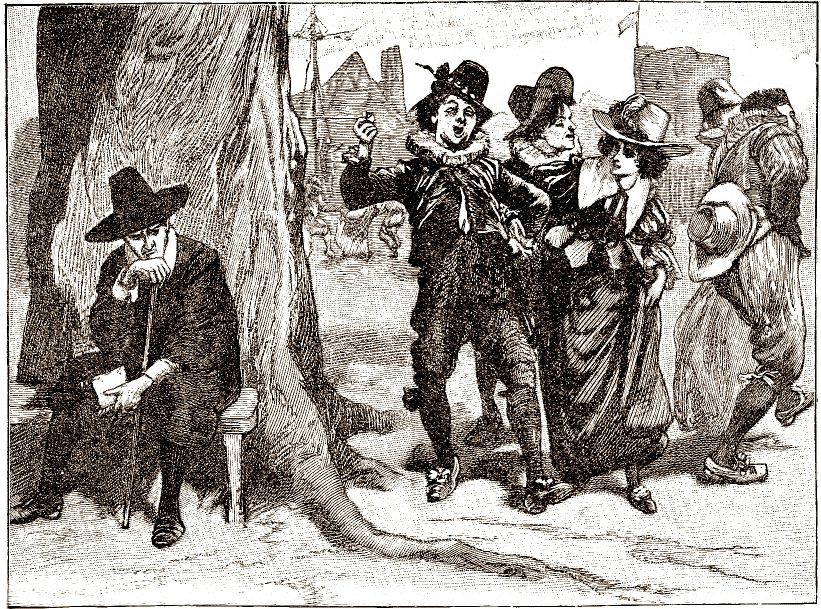
A Suspicious Puritan

With the Restoration of the monarchy in 1660, Christmas returned to being openly celebrated, although it had changed. The masques and the revelry of the Lords of Misrule had gone and it was left to the Victorians to reinvent Christmas in the form that we now recognise it. I’ll come to that on another day.